Media Blog about Art, Science, Technology, Film and Geekshit. Take a Look in the Universe of Qbit
Showing posts with label astronomy. Show all posts
Tuesday, November 26, 2013
Monday, August 19, 2013
The new Nova Delphinus 2013 star explosion was discovered last week
Friday, August 9, 2013
Tuesday, June 25, 2013
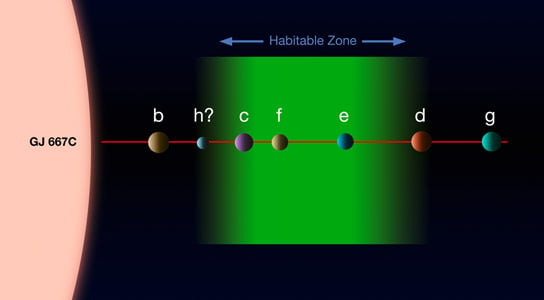
Three Super-Earths Discovered in Habitable Zone of Nearby Star GJ 677C
Saturday, May 25, 2013
Monday, May 20, 2013
Friday, May 17, 2013
Monday, April 8, 2013
Dark Matter
Most of the universe is made up of dark energy, a mysterious force that drives the accelerating expansion of the universe. The next largest ingredient is dark matter, which only interacts with the rest of the universe through its gravity. Normal matter, including all the visible stars, planets and galaxies, makes up less than 5 percent of the total mass of the universe.
Astronomers cannot see dark matter directly, but can study its effects. They can see light bent from the gravity of invisible objects (called gravitational lensing). They can also measure that stars are orbiting around in their galaxies faster than they should be.
This can all be accounted for if there were a large amount of invisible matter tied up in each galaxy, contributing to its overall mass and rotation rate.
Astronomers know more about what dark matter is not than what it is.
Dark matter is dark: It emits no light and cannot be seen directly, so it cannot be stars or planets.
Dark matter is not clouds of normal matter: Normal matter particles are called baryons. If dark matter were composed of baryons it would be detectable through reflected light. [Gallery: Dark Matter Throughout the Universe]
Dark matter is not antimatter: Antimatter annihilates matter on contact, producing gamma rays. Astronomers do not detect them.
Dark matter is not black holes: Black holes are gravity lenses that bend light. Astronomers do not see enough lensing events to account for the amount of dark matter that must exist.
Structure in the universe formed on the smallest scales first. It is believed that dark matter condensed first to form a “scaffolding,” with normal matter in the form of galaxies and clusters following the dark matter concentrations.
Scientists are using a variety of techniques across the disciplines of astronomy and physics to hunt for dark matter:
Astronomers cannot see dark matter directly, but can study its effects. They can see light bent from the gravity of invisible objects (called gravitational lensing). They can also measure that stars are orbiting around in their galaxies faster than they should be.
This can all be accounted for if there were a large amount of invisible matter tied up in each galaxy, contributing to its overall mass and rotation rate.
Astronomers know more about what dark matter is not than what it is.
Dark matter is dark: It emits no light and cannot be seen directly, so it cannot be stars or planets.
Dark matter is not clouds of normal matter: Normal matter particles are called baryons. If dark matter were composed of baryons it would be detectable through reflected light. [Gallery: Dark Matter Throughout the Universe]
Dark matter is not antimatter: Antimatter annihilates matter on contact, producing gamma rays. Astronomers do not detect them.
Dark matter is not black holes: Black holes are gravity lenses that bend light. Astronomers do not see enough lensing events to account for the amount of dark matter that must exist.
Structure in the universe formed on the smallest scales first. It is believed that dark matter condensed first to form a “scaffolding,” with normal matter in the form of galaxies and clusters following the dark matter concentrations.
Scientists are using a variety of techniques across the disciplines of astronomy and physics to hunt for dark matter:
- Particle colliders such as the Large Hadron Collider.
- Cosmology instruments such as WMAP and Planck.
- Direct detection experiments including CDMS, XENON, Zeplin, WARP, ArDM and others.
- Indirect detection experiments including: Gamma ray detectors (Fermi from space and Cherenkov Telescopes from the ground); neutrino telescopes (IceCube, Antares); antimatter detectors (Pamela, AMS-02) and X-ray and radio facilities.
Thursday, April 4, 2013
Saturday, March 30, 2013
Other Planets instead of the Moon
Thursday, March 28, 2013
Saturday, March 23, 2013
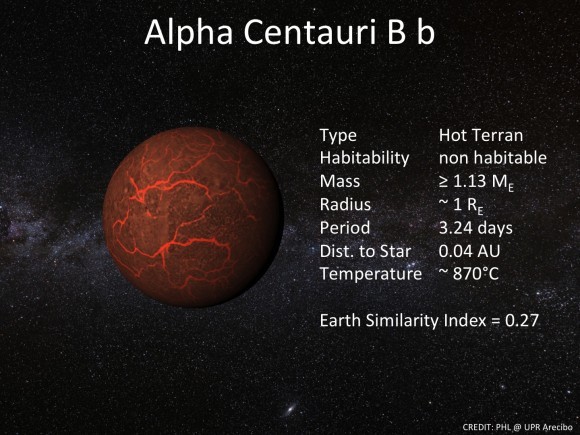
Closest Exoplanet Deserves a ‘Real’ Name
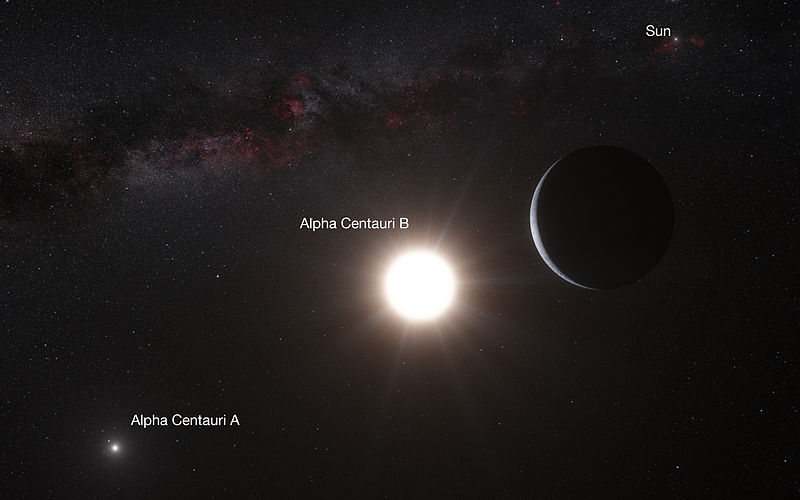
It’s time to “get real” about naming exoplanets, says Uwingu CEO and scientist Dr. Alan Stern. And so the latest project from the space funding startup company is a contest to name the nearest exoplanet, currently known as Alpha Centauri Bb.
“Let’s face it,” Stern told Universe Today, “the current names astronomers use for exoplanets are boring. The public is really excited about all the planets that are being found around other stars, but the names do nothing to help fuel that excitement. We’re giving the public the chance to name the closest exoplanet.”
Nominations for new names for Alpha Centauri Bb cost $4.99; votes for nominated names are $0.99. Proceeds from naming and voting will help fuel new Uwingu grants to fund space exploration, research, and education.
The names won’t be officially approved by the International Astronomical Union, but Stern said they will be similar to the names given to features on Mars by the mission science teams (such as Mt. Sharp on Mars –the IAU approved name is Aeolis Mons) that everyone ends up using. So far, the IAU’s stance on naming exoplanets is that there is seemingly going to be so many of them, (we’re nearing the 1,000 mark) that it will be difficult to name them all.
Official Statement on their website:: In response to frequent questions about plans to assign actual names to extra-solar planets, the IAU sees no need and has no plan to assign names to these objects at the present stage of our knowledge. Indeed, if planets are found to occur very frequently in the Universe, a system of individual names for planets might well rapidly be found equally impracticable as it is for stars, as planet discoveries progress.
Friday, March 22, 2013
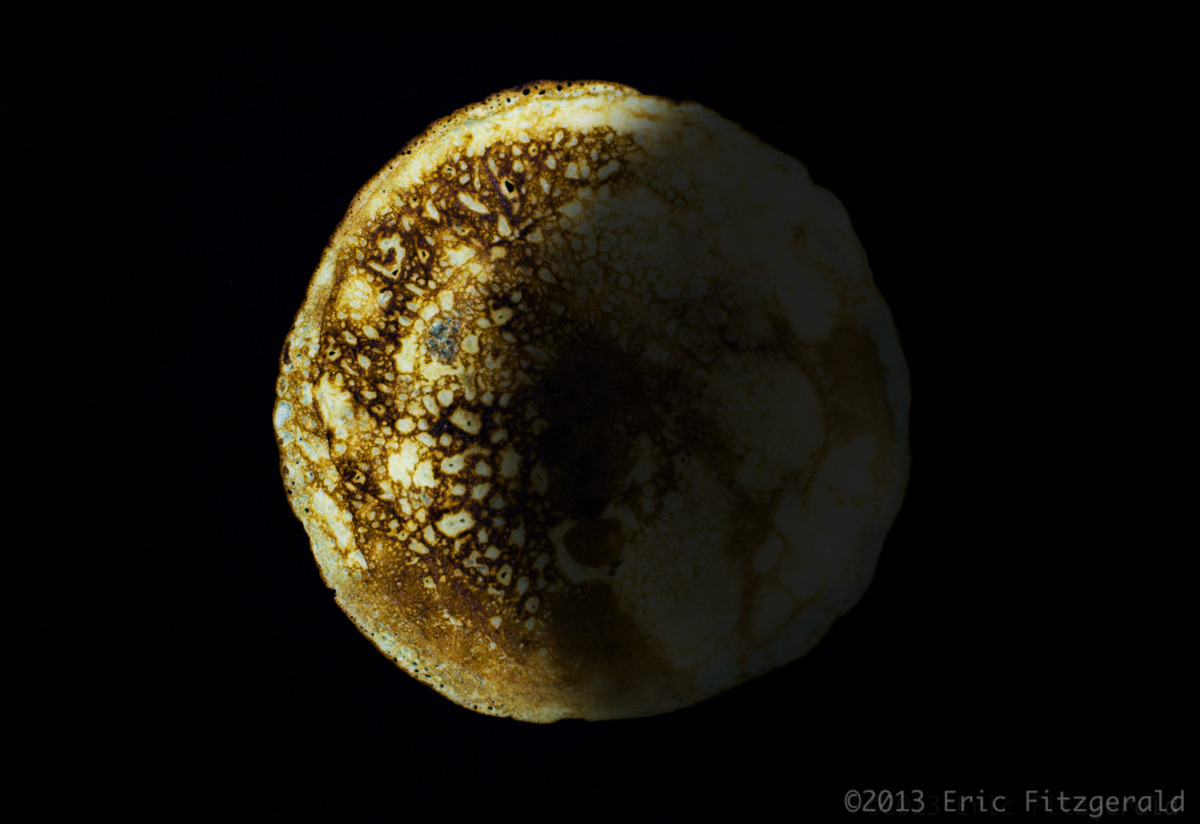
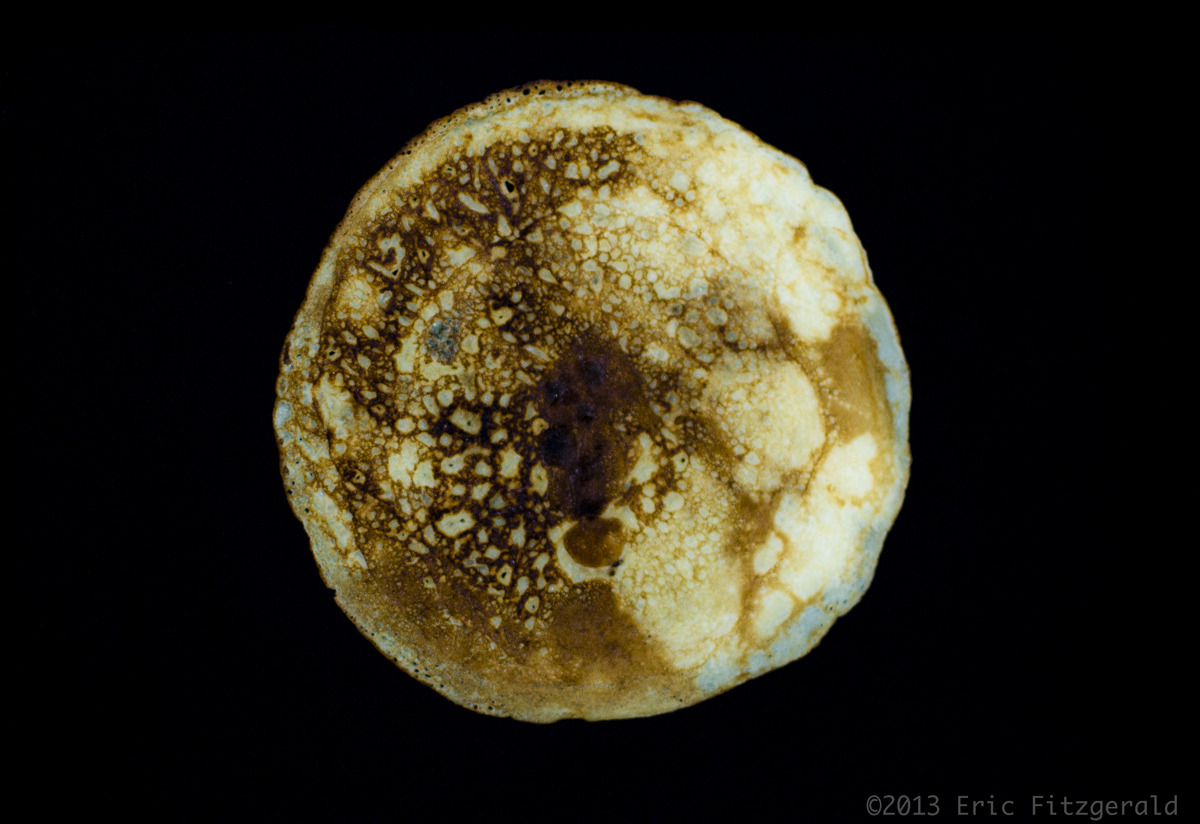
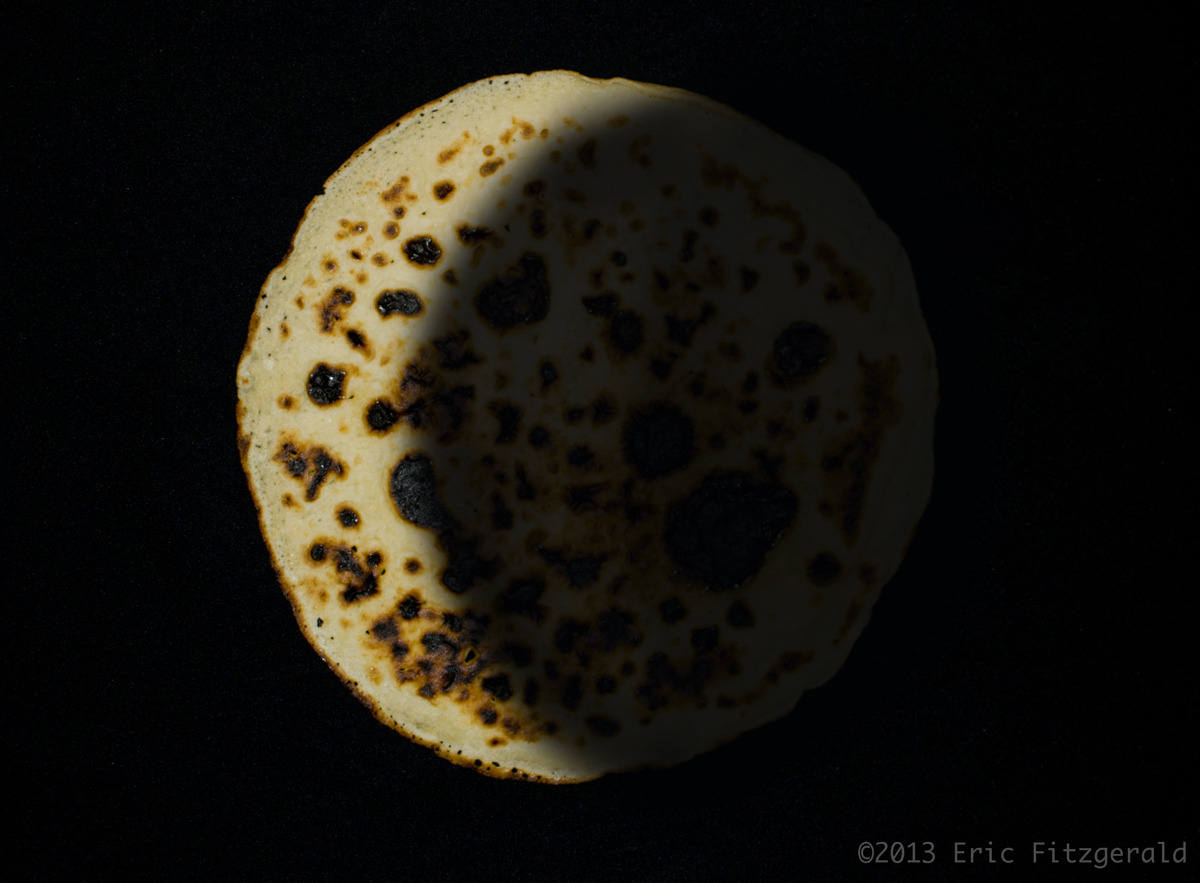
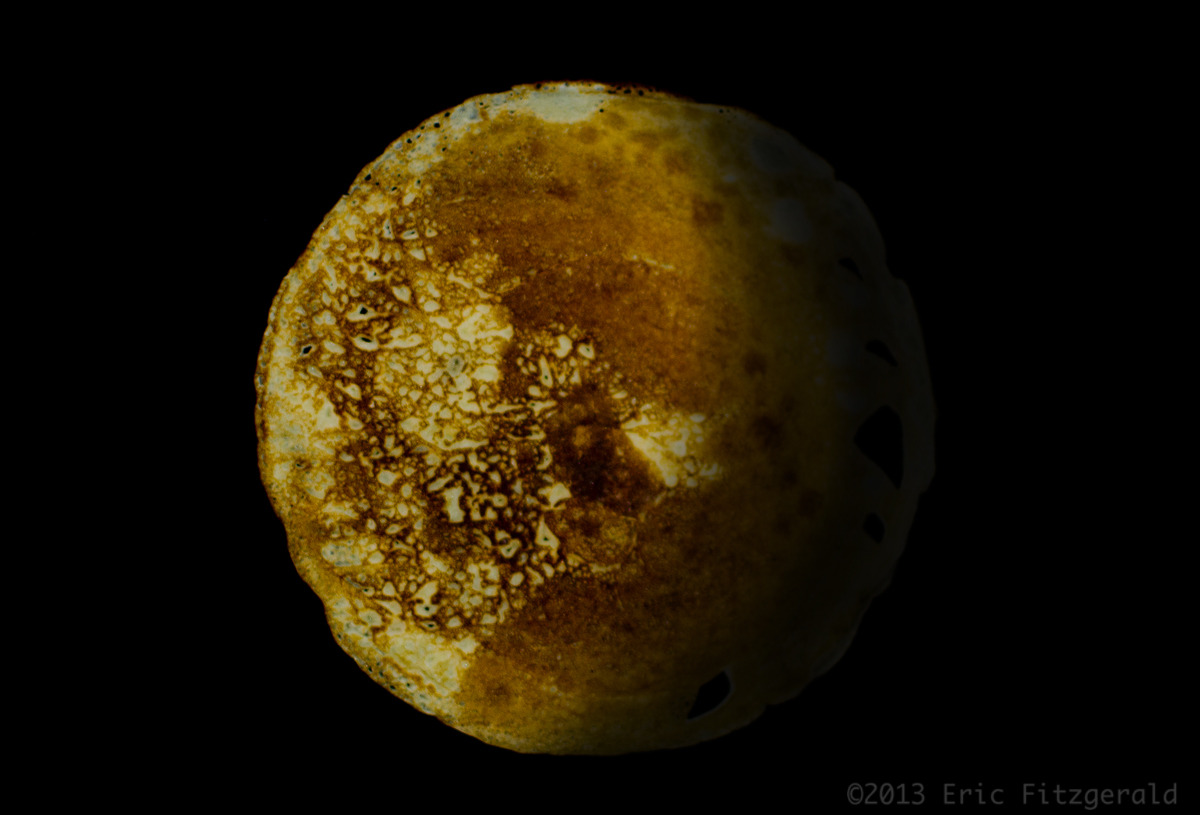
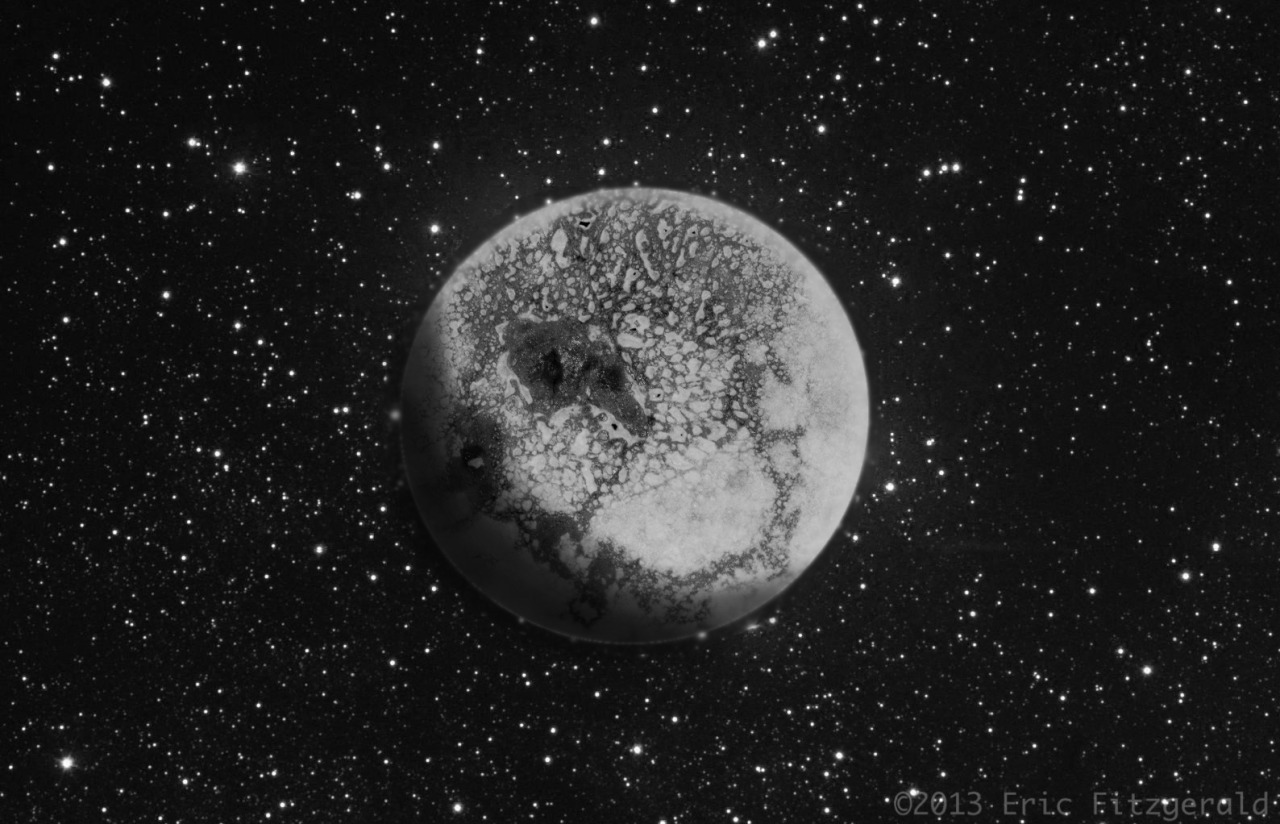
Planetcake by Eric Fitzgerald
Wednesday, March 13, 2013
Tuesday, March 12, 2013
Saturday, March 2, 2013
Tuesday, February 26, 2013
Comet will hit Mars 2014, probably
A recently discovered comet will make an uncomfortably-close planetary flyby next year — but this time it’s not Earth that’s in the cosmic crosshairs.
According to preliminary orbital prediction models, comet C/2013 A1 will buzz Mars on Oct. 19, 2014. The icy interloper is thought to originate from the Oort Cloud — a hypothetical region surrounding the solar system containing countless billions of cometary nuclei that were outcast from the primordial solar system billions of years ago.
read more here
Friday, February 15, 2013
Here comes the sun
Sunday, February 10, 2013
New Mars Pix
Mars is, famously, The Red Planet. The rust in the dust on its surface gives the surface a reddish-brown appearance. It vast dry, dusty expanses call to mind Earthlike deserts, in which a red-orange sun beats down on yellow sand. As a result, when we think of a Mars sunset, most think of it as blazing red.
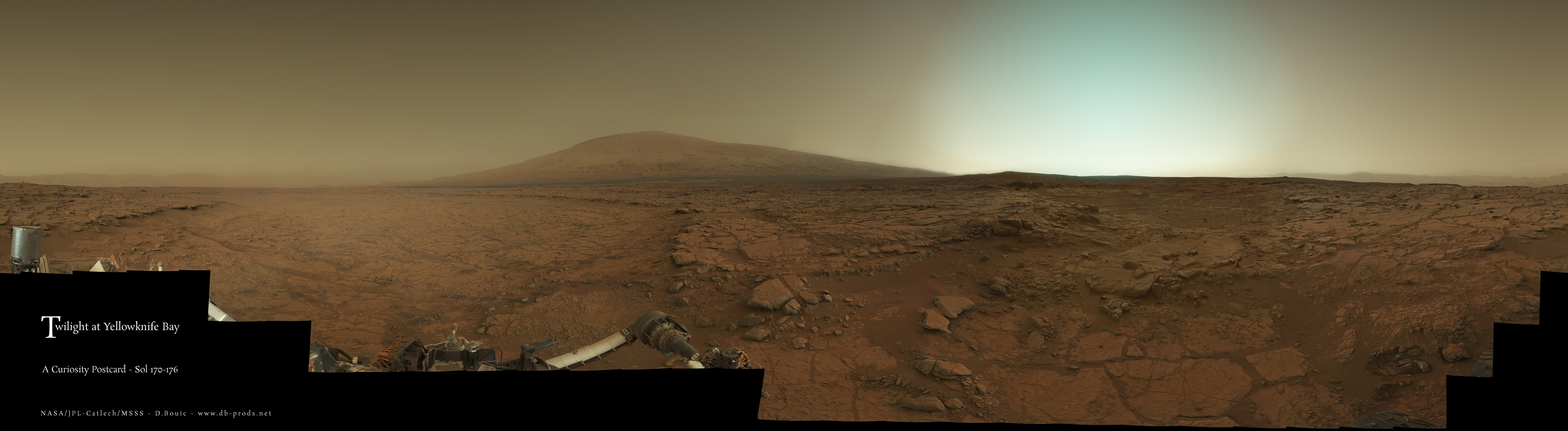
The recent footage released by NASA shows us the exact opposite. The sun glows a cool blue as it sets in the Martian sky. It's quite an upset of perception, and it's all due to that famous red dust.
On Earth, the particles in the atmosphere scatter blue light. When a ray of light hits them, the blue wavelengths are diverted from their course and shot randomly outwards. As it moves out, it hits other air particles, and some of it scatters down to the surface of the Earth. Those standing on the surface look up into the sky, see the light that's scattered down, and say the sky is blue. Meanwhile, direct light from the sun has had all the blue wavelengths filtered out; they've been scattered all over the sky. This leaves only the wavelengths at the reddish end of the spectrum - so when people look at the sun, they see it as yellow. Towards sunset, they're looking at the sun through more filtering atmosphere, and so it grows more intensely red-yellow.
On Mars, exactly the opposite happens. The red dust in the atmosphere scatters red light, so when anyone looking around would see a reddish sky. Meanwhile, the red wavelengths are filtered out of the direct path of light from the sun, leaving light towards the bluish end of the color spectrum. Those looking at the sun will see it as blue. And very seasonal.
The recent footage released by NASA shows us the exact opposite. The sun glows a cool blue as it sets in the Martian sky. It's quite an upset of perception, and it's all due to that famous red dust.
On Earth, the particles in the atmosphere scatter blue light. When a ray of light hits them, the blue wavelengths are diverted from their course and shot randomly outwards. As it moves out, it hits other air particles, and some of it scatters down to the surface of the Earth. Those standing on the surface look up into the sky, see the light that's scattered down, and say the sky is blue. Meanwhile, direct light from the sun has had all the blue wavelengths filtered out; they've been scattered all over the sky. This leaves only the wavelengths at the reddish end of the spectrum - so when people look at the sun, they see it as yellow. Towards sunset, they're looking at the sun through more filtering atmosphere, and so it grows more intensely red-yellow.
On Mars, exactly the opposite happens. The red dust in the atmosphere scatters red light, so when anyone looking around would see a reddish sky. Meanwhile, the red wavelengths are filtered out of the direct path of light from the sun, leaving light towards the bluish end of the color spectrum. Those looking at the sun will see it as blue. And very seasonal.
Wednesday, February 6, 2013
Subscribe to:
Posts (Atom)